
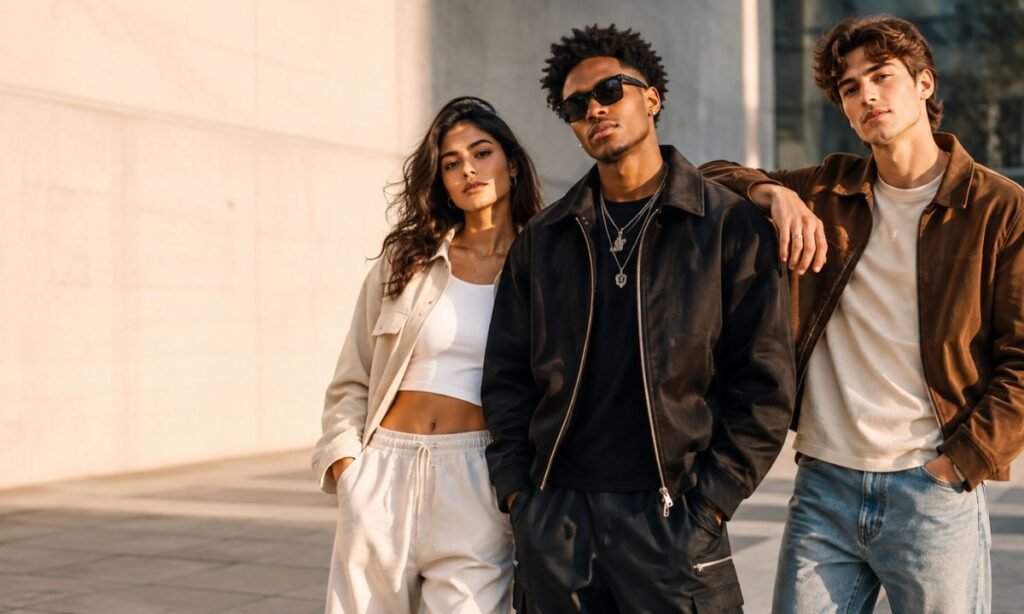
Saying someone looks good used to mean picking between a handful of tired phrases, but today the vocabulary is far richer. From TikTok comment sections to group chats, people now reach for words like drip, snatched, and fine to describe everything from a sharp outfit to natural attractiveness. Each term carries its own tone, so choosing the right one changes how a compliment lands.
This guide breaks down the most useful slang for looking good, explains where each phrase fits, and shows how wording shifts between fashion, confidence, and pure physical appeal. Whether you want a casual line for a friend or a flirty text for a crush, there is a phrase here that fits naturally.
Why Slang for Compliments Keeps Evolving
Appearance slang moves faster than almost any other category of informal language because it lives on platforms built for speed. A phrase can start as a niche term inside a small online community and reach millions of viewers within weeks through short video content. Music, streaming culture, and meme pages all feed new expressions into everyday conversation.
Because compliments are personal and emotional, people are also constantly looking for fresh ways to make them feel sincere instead of repetitive. Saying the same thing every time can feel flat, so new slang gives conversations energy and signals that the speaker is tuned into current culture rather than relying on generic wording.
Popular Words That Signal Someone Looks Amazing
Below is a practical list of widely used expressions, along with what each one actually communicates and a natural example sentence.
- Fire: extremely impressive, used for outfits, photos, or an overall look. For example, that jacket is on fire.
- Drip: strong personal style and fashion sense. For example, his sneaker collection has serious drip.
- Slay: performing or presenting exceptionally well. For example, she slayed that presentation and the outfit.
- Snatched: flawless, well fitted, or perfectly styled. For example, your waist looks snatched in that dress.
- Serving: confidently showing off a look. For example, she is serving business casual today.
- Clean: neat, well put together, minimal and polished. For example, that fit is clean.
- Fresh: newly styled, crisp, and put together. For example, a fresh haircut, fresh fit.
- Fine: a strong compliment aimed at attractiveness. For example, you are looking fine tonight.
- Sharp: polished, professional, and well groomed. For example, that suit makes you look sharp.
- Dapper: classic, refined, and stylish, often used for men. For example, he looked dapper at the wedding.
- Snack: a playful term for someone attractive. For example, she looked like a snack at the party.
- Aura: overall presence, vibe, and confidence someone gives off. For example, his aura today is unmatched.
- Buttah: smooth, impressive, and appealing, popular in some regional slang. For example, you already know you are a buttah.
- Head turner: someone whose appearance draws attention. For example, that dress makes you a head turner.
These words overlap in meaning but carry different weight, so context always matters more than the word itself.
Slang Compared by Meaning and Best Use
| Slang Term | Core Meaning | Best Used For |
| Drip | Standout fashion sense | Outfits, sneakers, accessories |
| Slay | Performing or looking amazing | Actions, events, overall look |
| Fine | Strong attractiveness | Direct compliments, flirting |
| Aura | Confidence and presence | Personality plus appearance |
| Clean | Neat and polished | Simple outfits, grooming |
| Snatched | Flawless fit or styling | Body shape, makeup, outfits |
Regional and Cultural Roots of Appearance Slang
Many of the compliment words used today did not start on social media at all. Terms like buttah and jawn trace back to specific city dialects, particularly African American Vernacular English and East Coast slang, long before they spread nationally. Drip and fire both grew out of hip hop culture, where describing style and confidence has always been central to the music and the lifestyle around it.
Understanding these roots matters because it shows why certain words carry cultural weight beyond simple fashion talk. Using them respectfully, and giving credit to where they originated, keeps the compliment genuine rather than reducing it to a trend to copy without context.
Fashion Focused Slang Versus Attractiveness Focused Slang
Not every compliment means the same thing, and mixing them up can send the wrong message. Some words are almost entirely about clothing and presentation, while others are about the person themselves.
| Category | Slang Examples | What It Signals |
| Fashion and outfit | Drip, clean, fresh, fit check, dripped out | Praise for clothing, accessories, and styling choices |
| Physical attractiveness | Fine, snack, stunning, gorgeous, head turner | Praise for the person’s appearance directly |
Knowing this difference helps avoid compliments that feel awkward or too personal in casual or professional settings.
Texting and Social Media Ways to Say Someone Looks Good
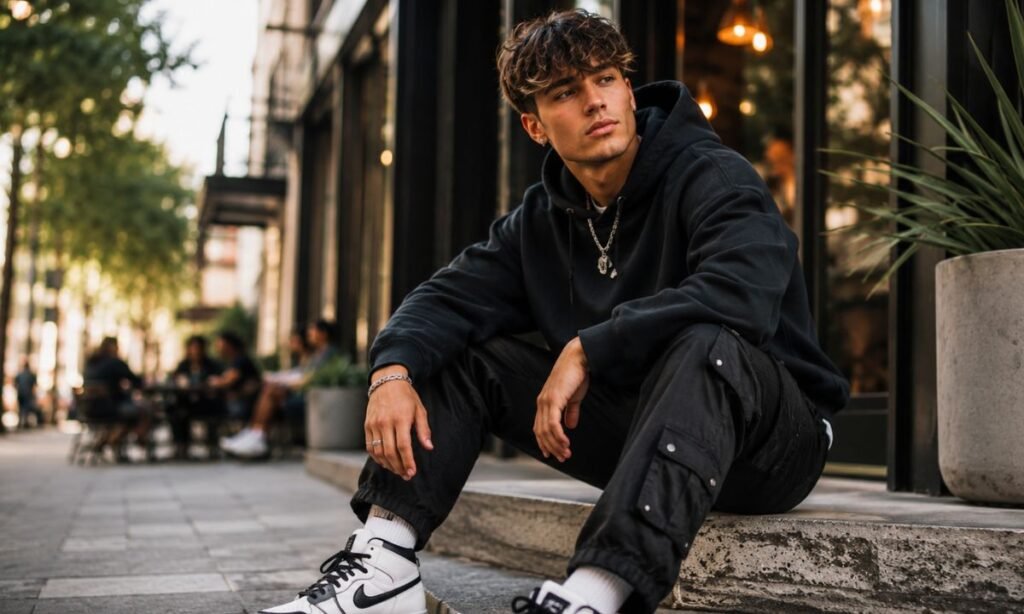
Short messages need punchy language, and slang fits perfectly into a quick text or comment. A few natural examples include:
- You are absolutely serving right now.
- That fit is fire, no notes.
- Okay but why do you look this clean today?
- Drip check passed, ten out of ten.
- Your aura in this photo is unreal.
These lines work well as captions, comments, or direct messages because they feel spontaneous rather than scripted.
Compliments for Different Audiences and Occasions
The same appearance can be complimented differently depending on who is speaking and who is listening. A compliment among close friends often leans casual and playful, while a compliment to a partner or crush tends to lean warmer and more direct.
Common patterns include:
- Casual and friendly: bro has drip, that fit is dope, you are looking fresh.
- Confident and playful: you ate that look, you are serving today, snatched.
- Direct and flirty: you look fine, absolute head turner, why do you look this good.
Most modern slang is not strictly separated by gender anymore, and terms like fire, clean, and serving are used freely across all audiences.
How Slang Changes Across Generations
Slang does not disappear so much as it gets replaced by newer trends while older terms stick around in smaller circles. Millennials still commonly say fly, fresh, and on point, while Gen Z has shifted toward drip, snatched, serving, and aura. Older expressions like on fleek have mostly faded from everyday use, even though people still recognize what they mean.
This generational layering means a compliment can sound perfectly current to one listener and slightly dated to another, so paying attention to who you are talking to helps the phrase land the way it is intended.
The Psychology Behind a Good Compliment
Compliments work best when they feel specific and sincere rather than generic. Slang often achieves this naturally because it forces the speaker to choose a word that matches the exact type of praise they mean, whether that is style, confidence, or physical appeal. A compliment like you look nice is broad, while you have a serious drip immediately signals that the outfit specifically stood out.
This specificity is part of why appearance slang spreads so quickly. It gives people a shared vocabulary that feels more personal and less like a rehearsed line.
When Not to Use Slang
Casual language works well in friendships, texting, and social media, but it can feel out of place in formal or professional settings. Workplaces, client meetings, and formal events usually call for plain compliments such as you look very sharp today or that outfit works really well for the occasion.
Using heavy slang with someone unfamiliar with the terms can also cause confusion, so it helps to read the audience before leaning into trendy wording.
Frequently Asked Questions
What is the most popular slang for looking good?
Fire, drip, and slay are among the most widely used terms right now, especially online and in casual conversation.
What does drip mean exactly?
Drip refers to a strong, standout sense of personal style, most often tied to clothing and accessories.
What is Gen Z slang for looking amazing?
Common Gen Z terms include serving, snatched, ate, aura, and slay, all describing confidence and appearance.
Is fine still used as a compliment?
Yes, fine remains a common and direct way to call someone attractive across most age groups.
What is a good text to say someone looks good?
Short lines like that fit is fire or you are serving today work naturally in texts and comments.
Is slang appropriate in professional settings?
Generally no, plain compliments like you look very polished are safer for formal or workplace situations.
Does appearance slang mean the same thing everywhere?
Not always, since meanings can shift slightly by region, age group, and online community.
Conclusion
Slang for looking good is not just a passing trend, it is a living part of how people express admiration in a fast moving digital world. From fashion focused words like drip and clean to attractiveness focused terms like fine and snatched, each phrase carries its own tone and best use case. Paying attention to audience, setting, and intent turns a simple compliment into one that actually feels genuine, current, and well chosen.
