

Scrolling through a chat and someone drops “yww” out of nowhere? You are not the only one who paused on it. This short reply shows up in texts, comments, and DMs, and it usually means something close to “you’re very welcome,” though the exact feel of it shifts depending on who sent it and what came before.
The tricky part is that YWW is not an official dictionary term, so its meaning leans heavily on context. In this guide, you will get a plain answer, real examples, and tips on reading tone so you never misjudge a message again.
What Does YWW Stand For?
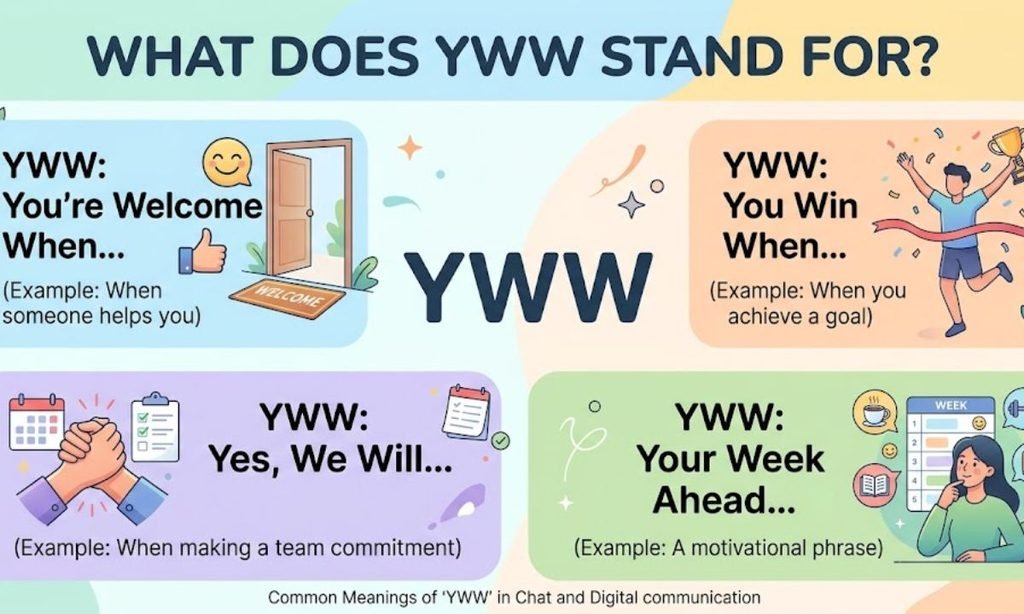
At its core, YWW is a stretched version of YW, which stands for “You’re Welcome.” Adding the extra W turns a plain reply into something warmer, like “you’re very welcome” or “you are so welcome.” People often type it after a friend thanks them for a favor, a compliment, or a small gesture, and the doubled letter gives the reply a bit more personality than the standard two letter version.
Because internet shorthand is not standardized by any official body, a handful of people also use YWW to mean “you were wrong” or, less often, “you were warned.” These alternate meanings show up mostly in gaming lobbies, sports debates, or playful arguments, and they depend entirely on the sentence that comes right before the abbreviation.
Why Context Decides the Meaning
Slang terms rarely come with a fixed rulebook, so the words surrounding YWW usually reveal what the sender intended. A “thank you” right before it points to gratitude, while a callout or a disagreement points toward the “you were wrong” reading.
The Role of Relationship and Tone
Close friends and siblings tend to use YWW playfully, tossing in emojis or extra punctuation, while coworkers or newer contacts are more likely to use it strictly as a polite, warm version of “you’re welcome.”
YWW Meaning at a Glance
| Term | Likely Meaning | Typical Tone | Where It Shows Up |
| YWW | You’re very welcome | Warm, casual | Texts, DMs, comments |
| YWW | You were wrong | Teasing or blunt | Group chats, gaming, sports talk |
| YW | You’re welcome | Neutral, friendly | Replies to thanks |
| YWVM | You’re welcome very much | Sarcastic or warm | Texting, social replies |
| NP | No problem | Casual | Everyday chats |
How People Use YWW After Someone Says Thank You
The most common trigger for YWW is a simple “thanks” or “thank you so much.” Instead of typing out the full phrase, the sender shortens their warm response into three letters, keeping the exchange quick without sounding cold.
- Friend: “Thanks for covering my shift!” Reply: “yww, anytime”
- Friend: “You’re a lifesaver, thank you!” Reply: “YWW 😊”
YWW as a Genuine, Friendly Reply
Related Post: What Does VM Mean in Text? Meaning, Examples & How to Use It
When paired with a smiley, an exclamation mark, or a follow up like “anytime,” YWW almost always reads as sincere appreciation being returned.
YWW as a Playful or Teasing Reply
Drop the punctuation, add a smirking emoji, or pair it with sarcasm in the sentence before it, and the same three letters can suddenly feel like a joke rather than genuine warmth.
YWW Examples in Everyday Conversations
Seeing the abbreviation in action makes the meaning click faster than any definition alone.
- “Hey, thanks for the ride home.” “yww, no worries at all”
- “You just saved my whole presentation.” “YWW!! glad I could help”
- “I told you that traffic would be bad.” “yww, should’ve listened lol”
- “Thank you for helping me move.” “yww anytime you need me”
These snippets show how the exact same abbreviation flexes between gratitude and gentle teasing based purely on the sentence before it.
YWW on Social Media Platforms
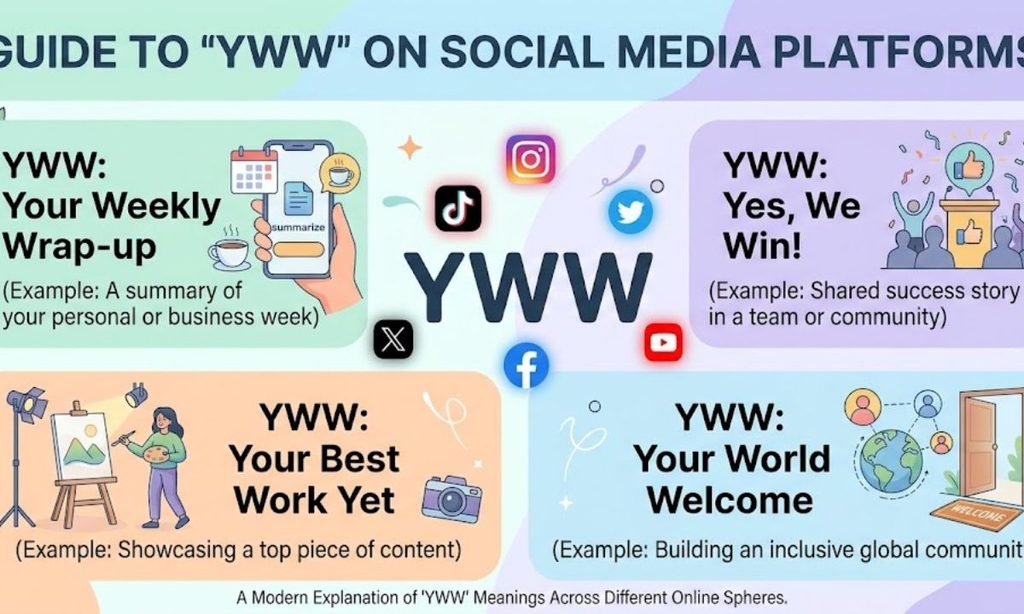
Short abbreviations like YWW travel across every major app, though the vibe can shift slightly depending on where it appears.
- Instagram: Common in DMs and comment replies after someone thanks a creator for a shoutout or a tip.
- TikTok: Shows up in comment sections, often shortened even further with lowercase letters and minimal punctuation.
- Snapchat: Used in quick chat replies where speed matters more than full sentences.
- WhatsApp and Messenger: Appears in both one on one chats and group threads, with meaning shaped more by the conversation than the app itself.
Is YWW Rude or Friendly?
On its own, YWW is neutral. Tone comes almost entirely from what surrounds it.
Friendly signals include:
- An emoji like 😊, 🙌, or ❤️
- An exclamation point
- A short add on like “anytime” or “of course”
Sarcastic or dismissive signals include:
- Trailing dots, like “yww…”
- No punctuation at all after a tense exchange
- A prior message that sounds like a jab or complaint
Does Capitalization Change the Meaning?
Capital letters, like YWW, tend to read as more enthusiastic or emphatic, while lowercase yww feels more relaxed or offhand, though the underlying meaning stays the same either way.
YWW vs YW: Key Differences
| Feature | YW | YWW |
| Full meaning | You’re welcome | You’re very welcome (or, rarely, you were wrong) |
| Tone | Neutral, standard | Warmer, more expressive, sometimes teasing |
| Popularity | Extremely common, widely recognized | Less common, more casual and regional |
| Best used with | Anyone, including new contacts | Friends and people who know your texting style |
Origin and How YWW Became Popular
Related Post: MYB Meaning in Text: What Does MYB Mean in Chat?
Like most texting abbreviations, YWW likely grew out of the habit of stretching letters for emphasis, similar to how “yes” becomes “yesss.” As YW became a standard shorthand for “you’re welcome,” some texters started doubling the final letter to signal extra warmth, and the habit spread through group chats and comment sections until it became recognizable shorthand on its own.
Common Emojis Paired With YWW
Pairing an abbreviation with the right emoji often does more work than the letters themselves.
- 😊 or 🙂 for a warm, sincere reply
- 😂 or 😏 for a playful or teasing tone
- ❤️ for close friends or family
- 👍 for a quick, casual acknowledgment
Regional and Generational Differences
Younger texters, particularly teens and younger millennials, tend to use YWW more freely across casual chats, while older users often stick with the simpler YW or write out the full phrase. Regional texting habits also play a part, since some friend groups adopt their own shorthand and stretch it consistently across every conversation.
How to Respond to YWW
- If it reads as warm: “Thanks again!” or “You’re the best 😊”
- If it reads as sarcastic: Ask lightly, “wait, what do you mean?”
- If you are unsure at all: A simple “haha what do you mean by that?” clears things up without assuming the worst.
Alternatives to YWW You Can Use Instead
If you want to keep things clear, especially with someone new, these swaps carry the same warmth without relying on shorthand.
- “You’re very welcome!”
- “Happy to help anytime.”
- “Of course, no problem at all.”
- “Glad I could help out.”
Can You Use YWW in Professional Messages?
Workplace emails and formal chats generally call for full phrases rather than texting shorthand. Typing out “you’re welcome” or “happy to help” reads as more polished and avoids any chance of a coworker misreading an abbreviation they are not familiar with.
Common Mistakes People Make With YWW
- Assuming it always means the same thing regardless of context
- Mixing it up with YW and expecting an identical tone
- Reading it as sarcastic every single time, even when it clearly is not
- Using it in a formal email or client message where full words fit better
YWW Meaning: Quick Comparison Table
| Abbreviation | Meaning | Tone | Best Context |
| YWW | You’re very welcome | Warm or teasing | Texting, DMs |
| YW | You’re welcome | Neutral | Casual replies |
| YWVM | You’re welcome very much | Sarcastic or warm | Texting, comments |
| NP | No problem | Casual | Everyday chats |
| TY | Thank you | Polite | Texts, social media |
Frequently Asked Questions
What does YWW mean in text?
YWW usually means “you’re very welcome,” a warmer stretch of the standard YW reply to thanks.
What does YWW stand for?
It most often stands for “you’re very welcome,” though context can occasionally shift it toward “you were wrong.”
Is YWW the same as YW?
They are related, but YWW carries a warmer or more expressive tone than the plain “you’re welcome” of YW.
Is YWW slang?
Yes, it is an informal texting abbreviation rather than a standard or dictionary recognized term.
Is YWW rude?
Not inherently. It can sound friendly, playful, or dismissive depending on emojis, punctuation, and the message before it.
What does YWW mean on Snapchat or TikTok?
Same meaning as anywhere else, a quick warm reply to thanks, though the tone still depends on context.
How should I respond to YWW?
A simple “thanks again” or “you’re the best” works fine, or ask for clarification if the tone feels off.
Conclusion
YWW is best understood as a warmer, more casual cousin of YW, typically meaning “you’re very welcome.” Its meaning bends with context, so always glance at the message before it, the emoji that follows, and your relationship with the sender before deciding how to read it.
